How Sans Péché Rosé is Made – Fermentation as Craft and Patience
A sparkling, alcohol-free Rosé developed from hibiscus, rose petals, Manuka honey, and our own live yeast culture.
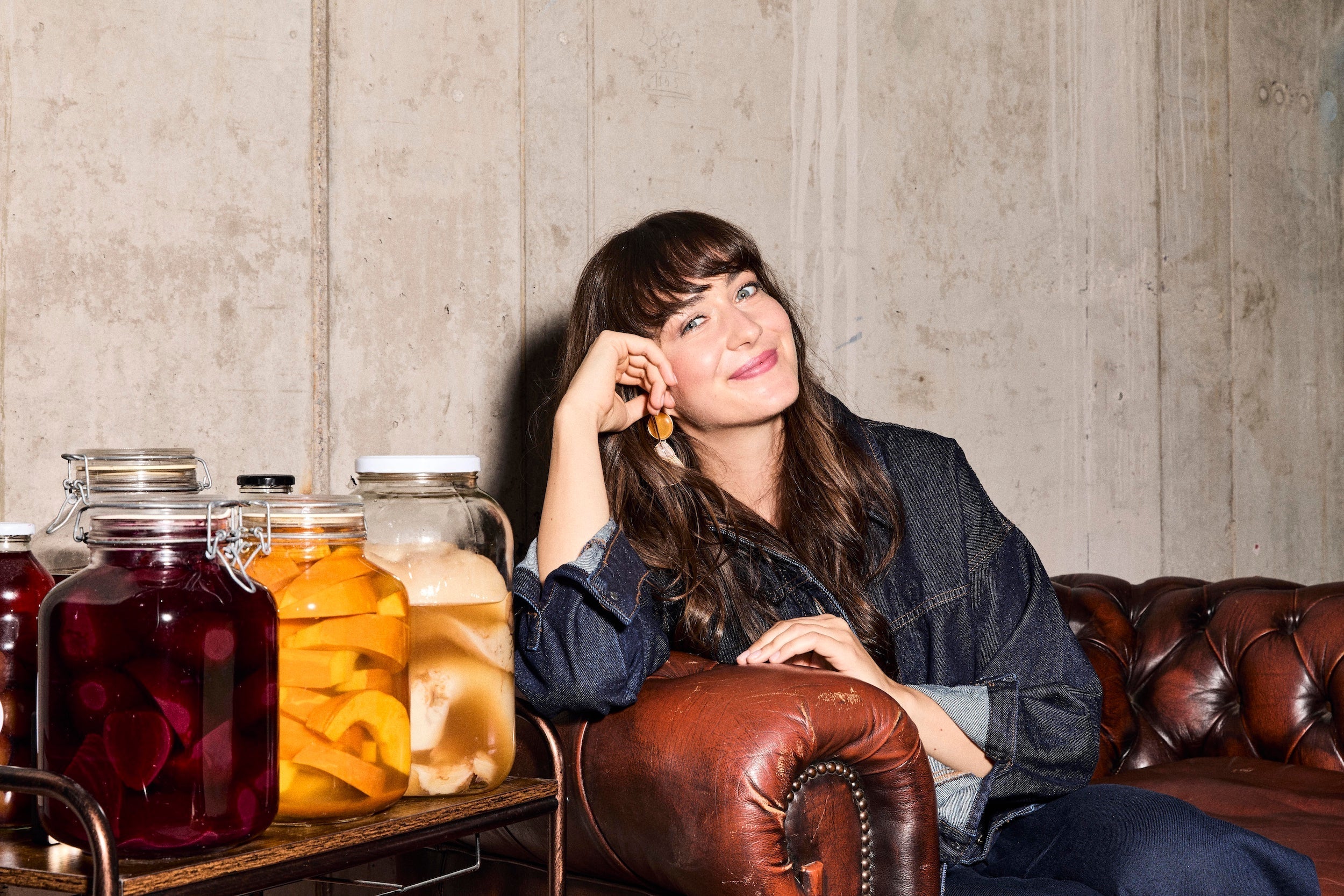
The intention was never to imitate champagne or sparkling wine. Instead, the question was whether an alcohol-free drink could develop character, depth, and structure through fermentation – without alcohol as a carrier of aroma. What began as simple product development in my own micro-brewery later evolved into a project involving scientists, microbiologists, and university research.
Over five years, I explored how hibiscus releases colour, how rose petals carry fine tannins, how Manuka honey breaks down microbiologically – and how all of this changes when you give it time instead of intervention, without using concentrates.
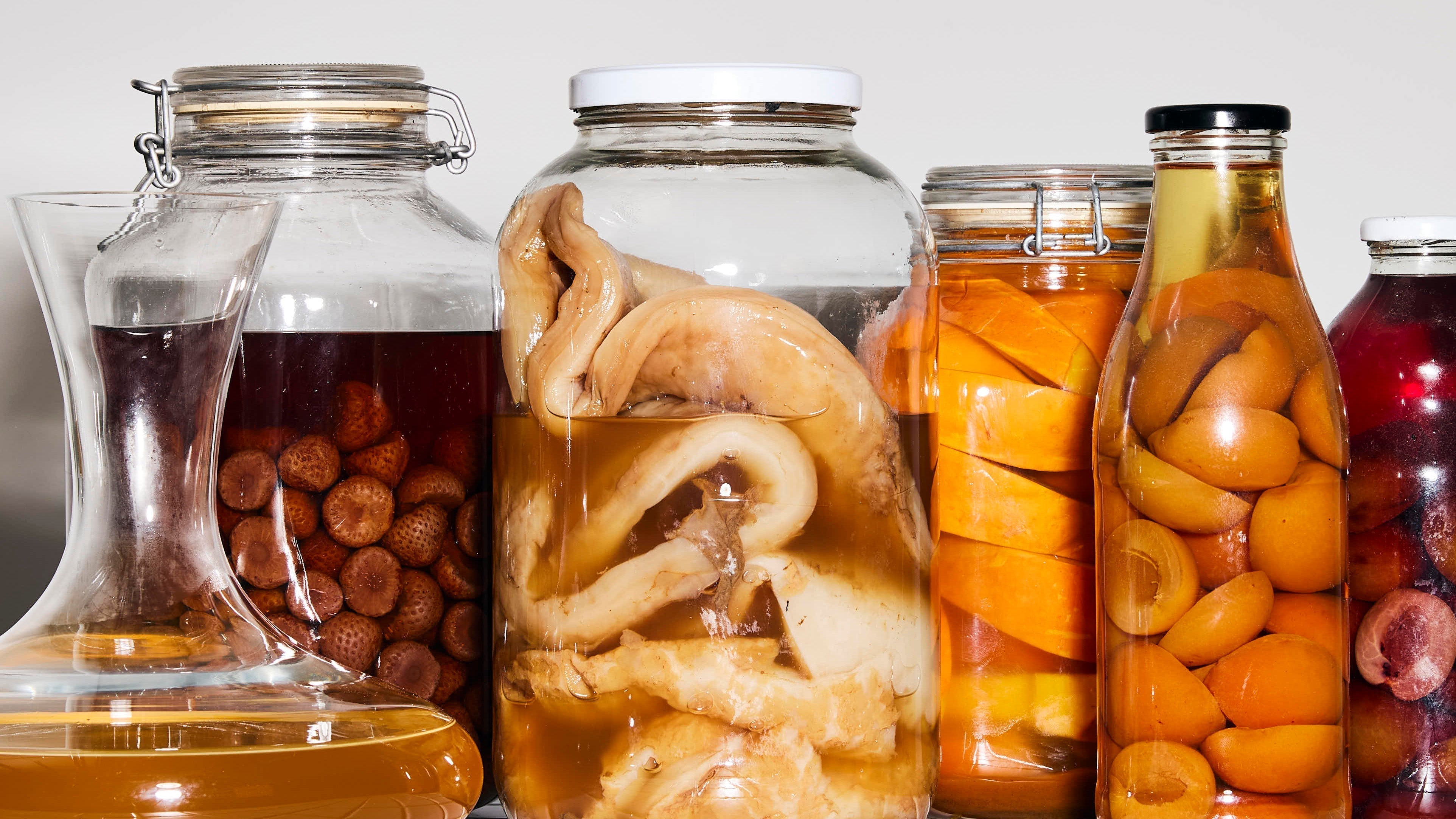
The foundation is botanical, not flavoured: hibiscus and rose petals are cold-extracted to preserve clarity, aroma, and delicacy. Manuka honey (MGO 400+) and pure varietal grape must are the only sources of sugar – not for sweetness, but as nourishment for the microorganisms that later build acidity, body, and length. Fermentation takes place with champagne yeast and selected lactic acid cultures. This process can extend over twelve months – slow, layered, never forced.
The result is not just an alcohol-free sparkling beverage, but the discovery of a new category: Sparkling Fermenté.
Food Pairing – Salmon Crudo with Sesame
A pairing that beautifully complements the bright acidity of Sans Péché. Fat, structure, a hint of salt, and a touch of sesame – that’s all it needs. For two people, slice 150–200 g of sashimi-grade salmon into very thin pieces and arrange them on a plate. A delicate layer of olive or sesame oil is enough, followed by light and black sesame seeds and a pinch of salt.
What emerges is a balance of freshness and lightness – a perfect interplay of acidity and fat.